The Oldest Seaside Resort City In Thailand

The Oldest Seaside Resort City in Thailand
(And Why Hua Hin Still Hits Different)
Hua Hin is Thailand’s original beach escape — the country’s first seaside resort, long before Phuket became a tourism machine and Pattaya became… whatever Pattaya is now.
Just 200 km south of Bangkok, Hua Hin started life as a quiet fishing village. Then, in the 1920s, King Vajiravudh (Rama VI) built his summer palace here, and suddenly the Bangkok elite realised, “Hang on… we can have beaches and civilisation?”
The rest is history — and a surprisingly charming one.
🌴 Why Hua Hin Became Thailand’s First Seaside Resort
Hua Hin didn’t become famous by accident. It had three things going for it:
1. Royal endorsement
When Rama VI built Mrigadayavan Palace, Hua Hin instantly became fashionable.
Royalty has that effect.
2. The railway
The Bangkok–Hua Hin rail line opened in the 1920s, making it the perfect weekend escape for wealthy Bangkokians who wanted sea breeze without the chaos.
3. The vibe
Hua Hin has always been the “calm, respectable older sibling” of Thailand’s beach towns.
Less chaos than Pattaya.
Less tourist‑overload than Phuket.
More “let’s relax and eat seafood” than “let’s drink from a bucket.”
It still feels that way today.
🌊 What Hua Hin Is Like Today
Hua Hin is a mix of:
- beach town
- low‑key city
- golf paradise
- seafood heaven
- family‑friendly resort area
- Bangkok weekend escape
It’s busy enough to be interesting, but not so busy you want to run away.
It’s Thailand’s version of a “civilised beach holiday.”
If you want nightlife, it’s there.
If you want quiet beaches, also there.
If you want monkeys stealing your snacks — oh yes, very there.
🏛️ Mrigadayavan Palace
(The Royal Summer Palace)
If you only see one thing in Hua Hin, make it this.
The palace is a gorgeous collection of 16 teak buildings, raised on stilts, connected by breezy corridors, and painted in soft pastels. It’s elegant, peaceful, and very un‑Phuket.
Location: Between Cha‑Am and Hua Hin
Address: 1281 Petcha‑kasem Road, Phetchaburi
GPS: 12.698877, 99.964117
Hours: 08:30–16:00 (Closed Wednesdays)
🚗 How to Get to Hua Hin
(Updated, simple, and honest)
Taxi
The easiest option.
Expect around 2,000 THB from Bangkok.
If you’re doing a day trip, negotiate for the driver to wait — they’ll happily do it.
Train
Cheap, slow, scenic, and iconic.
Around 4 hours from Bangkok.
Tickets range from 50 THB to 1,000 THB depending on class.
Buy online or at the station: 12Go Asia
Minibus / Bus
Good for groups.
Tickets usually 240–500 THB.
Ferry (Pattaya → Hua Hin)
A fun alternative.
Leaves from Bali Hai Pier.
Takes 2–3 hours.
Costs around 1,250 THB.
Plane
Technically possible.
Practically pointless.
Hua Hin Airport has limited charter flights only.
🏨 Where to Stay in Hua Hin
(A quick, honest breakdown)
Budget (600–1,000 THB)
Guesthouses, simple rooms, walkable locations.
Good value if you don’t need a pool.
Mid‑Range (1,200–4,000 THB)
Most travellers stay here.
Modern hotels, pools, beachfront options.
Luxury (5,000–20,000 THB)
Hua Hin does luxury extremely well — especially for families and couples.
Featured Hotels
(Your original picks, cleaned up)
Hilton Hua Hin Resort & Spa
33 Naresdamri Rd, Hua Hin
Email: hua-hin@hilton.com
Phone: +66 32 538 999
City Beach Resort
16 Damnoenkasem Road
Email: rsvn@citybeach-huahin.com
Chomhaad Guesthouse
Hua Hin District
Phone: +66 86 789 4054
🎯 What to See & Do in Hua Hin
(The hits, the classics, and the “oh wow, that’s actually cool”)
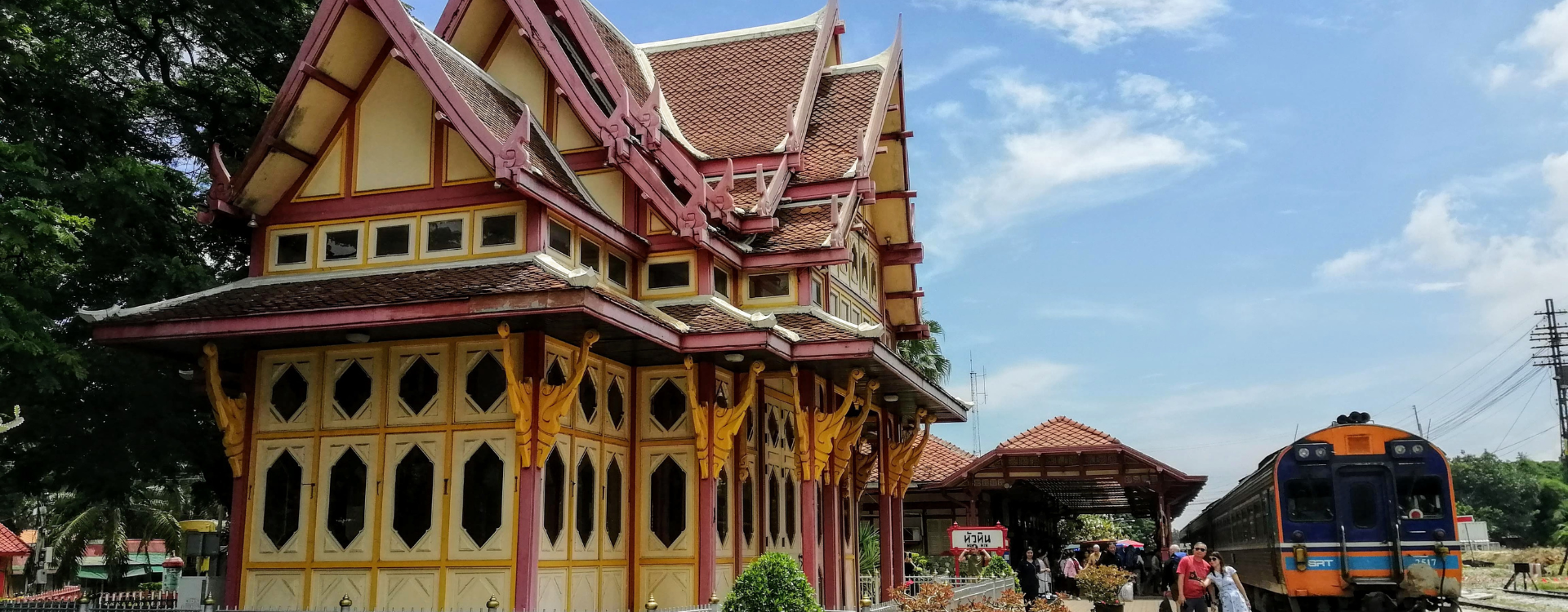
Hua Hin Railway Station
One of Thailand’s prettiest stations — bright colours, Victorian vibes, and a slice of history.
Cicada Market
Art, food, music, crafts, atmosphere.
One of Thailand’s best night markets.
Monkey Mountain (Khao Takiab)
A hill with:
- a giant Buddha
- a temple
- panoramic views
- and monkeys who absolutely will try to steal your snacks
Black Mountain Water Park
A genuinely good water park — clean, modern, and fun.
Hua Hin Hills Vineyard (Monsoon Valley)
Wine tasting with views that feel nothing like “typical Thailand.”
Rajabhakti Park
Seven giant bronze kings.
Massive. Impressive. Very photogenic.
The Venezia Hua Hin
A Venice‑themed shopping village.
It’s kitschy, but fun if you lean into it.
🏞️ What to See Nearby
Phraya Nakhon Cave
One of Thailand’s most magical sights — a royal pavilion inside a sun‑lit cave.
Worth every step.
Sam Roi Yot National Park
Mountains, wetlands, beaches, wildlife.
A perfect day trip.
Cha‑Am
Quieter than Hua Hin, with long beaches and seafood restaurants.
🌤️ Best Time to Visit Hua Hin
Hua Hin is a year‑round destination, but:
- Best weather: November–February
- Hottest: March–May
- Rainiest: September–October
- Best value: June–October
Even in rainy season, Hua Hin gets more short showers than all‑day storms.
💡 Practical Tips
- Monkeys at Khao Takiab are cute until they’re not.
- Cicada Market gets busy — go early.
- Grab taxis are reliable; tuk‑tuks are… negotiable.
- Dress modestly for temples and the palace.
- Hua Hin beaches are calm, but jellyfish appear seasonally.
🌴 Final Thoughts
Hua Hin isn’t trying to be flashy.
It’s not trying to compete with Phuket or Pattaya.
It’s Thailand’s original beach escape — relaxed, refined, and quietly confident.
If you want a beach town with history, culture, great food, and zero chaos, Hua Hin is exactly the kind of place you end up loving more than you expected.
You should also read:
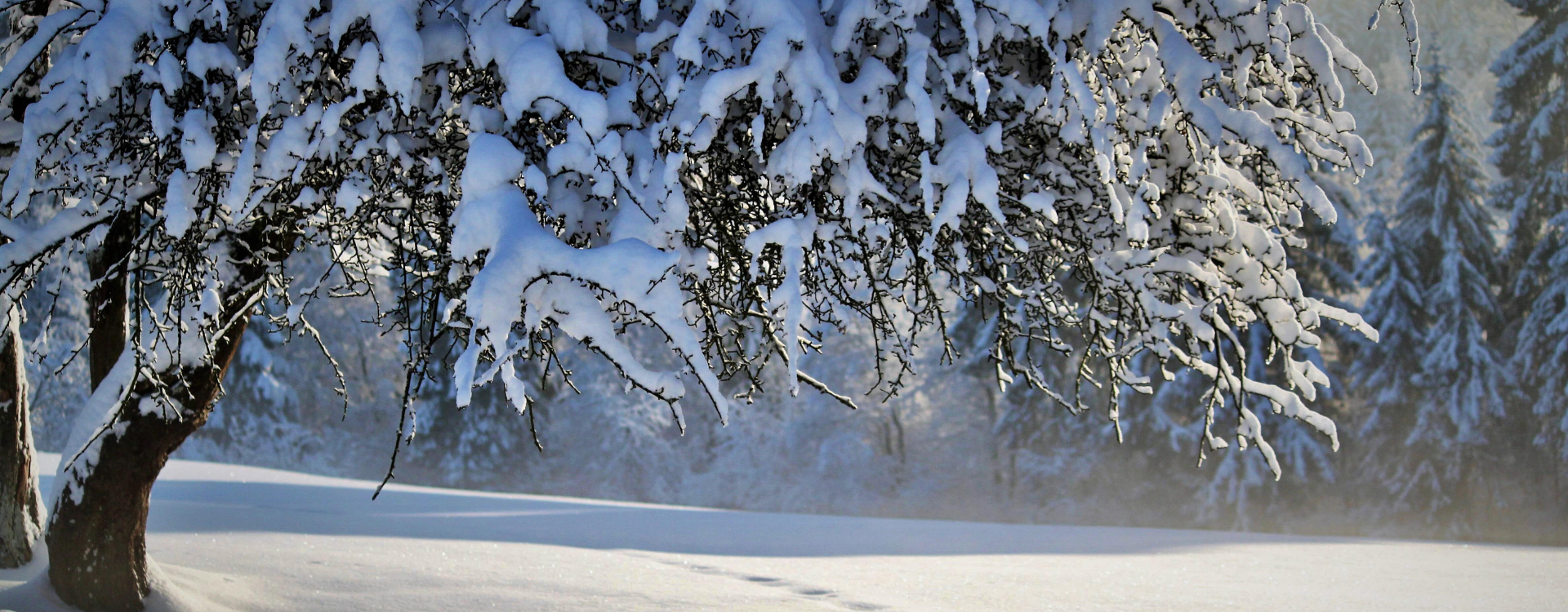
Does It Snow In Thailand?
As it’s coming to the end of the year and I’m back home in England for the winter, a question that always comes up is: does it snow in Thailand? Thailand is a tropical country, but it does have cooler months — especially in the…
Continue reading...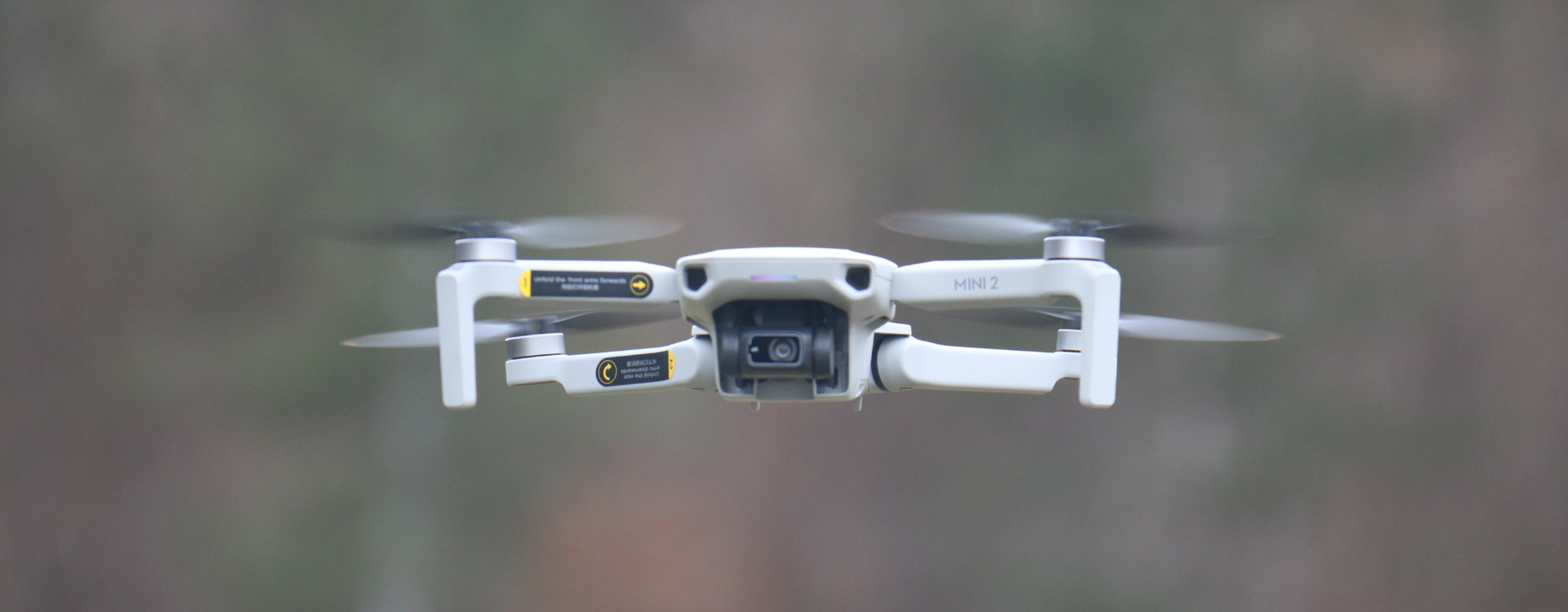
Drones in Thailand
Drones in Thailand - Updated Guide (CAAT + NBTC) Flying a drone in Thailand is perfectly legal, but the rules are strict — and they apply to tourists just as much as locals. There’s a lot of outdated information online, so this guide breaks down…
Continue reading...
Movies Shot In Thailand
Movies Shot in Thailand With the new Fast and Furious movie being filmed in Thailand, I thought it was the perfect time to put together a list of movies shot in Thailand. These are films I’ve watched, enjoyed, and think are worth checking out. Thailand…
Continue reading...
Comments