The Golden Triangle: Thailand, Laos, Myanmar & the Opium Trade

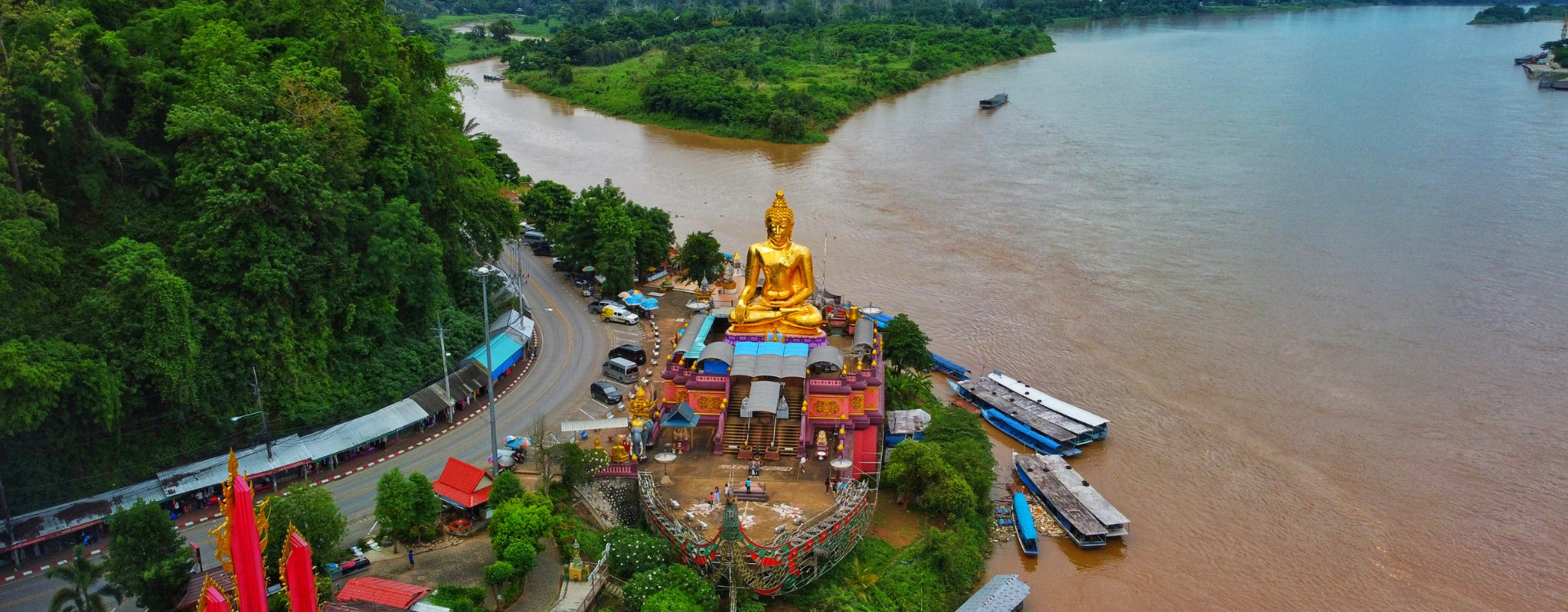
The Golden Triangle is one of those places in Thailand where the name alone immediately creates an image. Three countries, a huge river, misty mountains and a history that is closely associated with the opium trade.
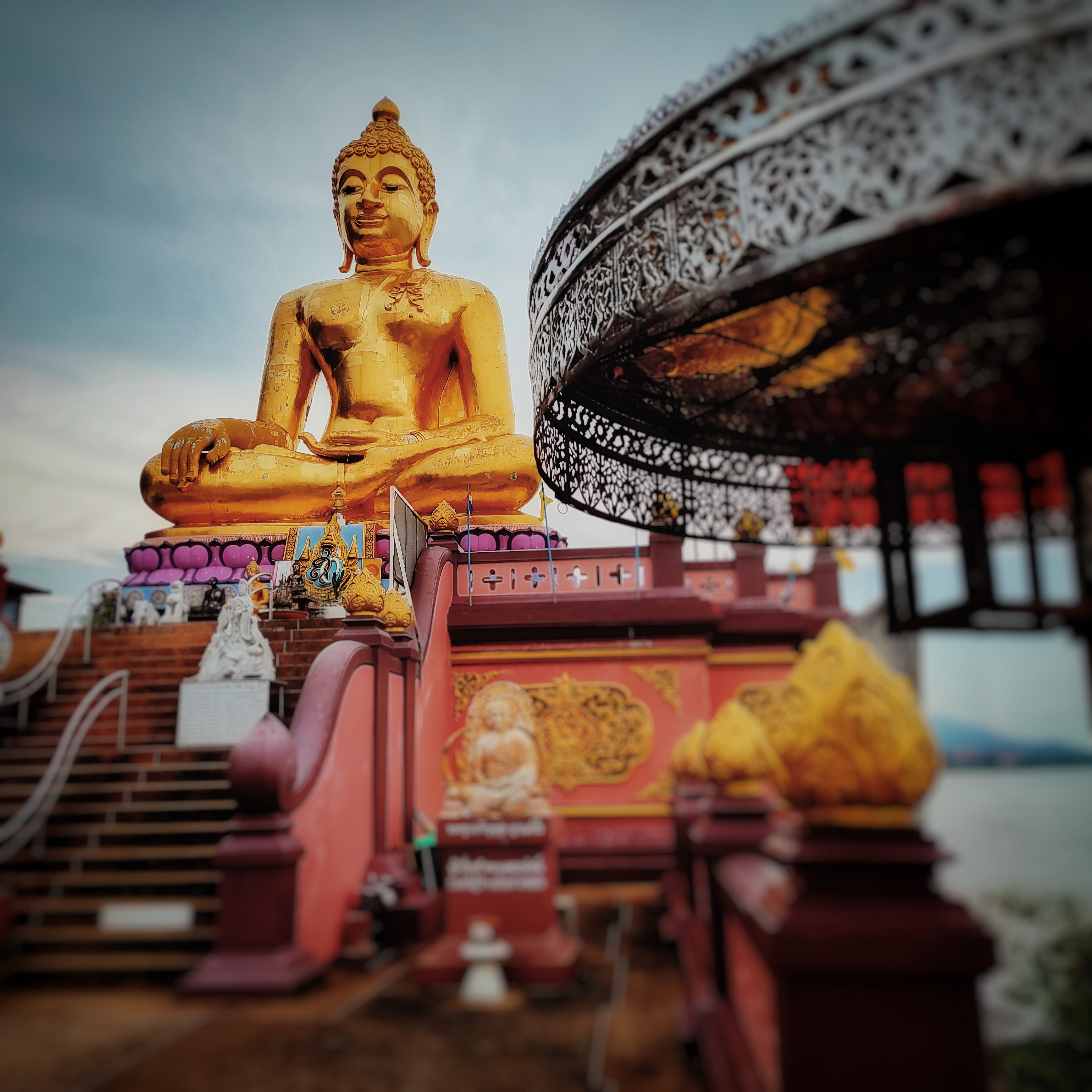
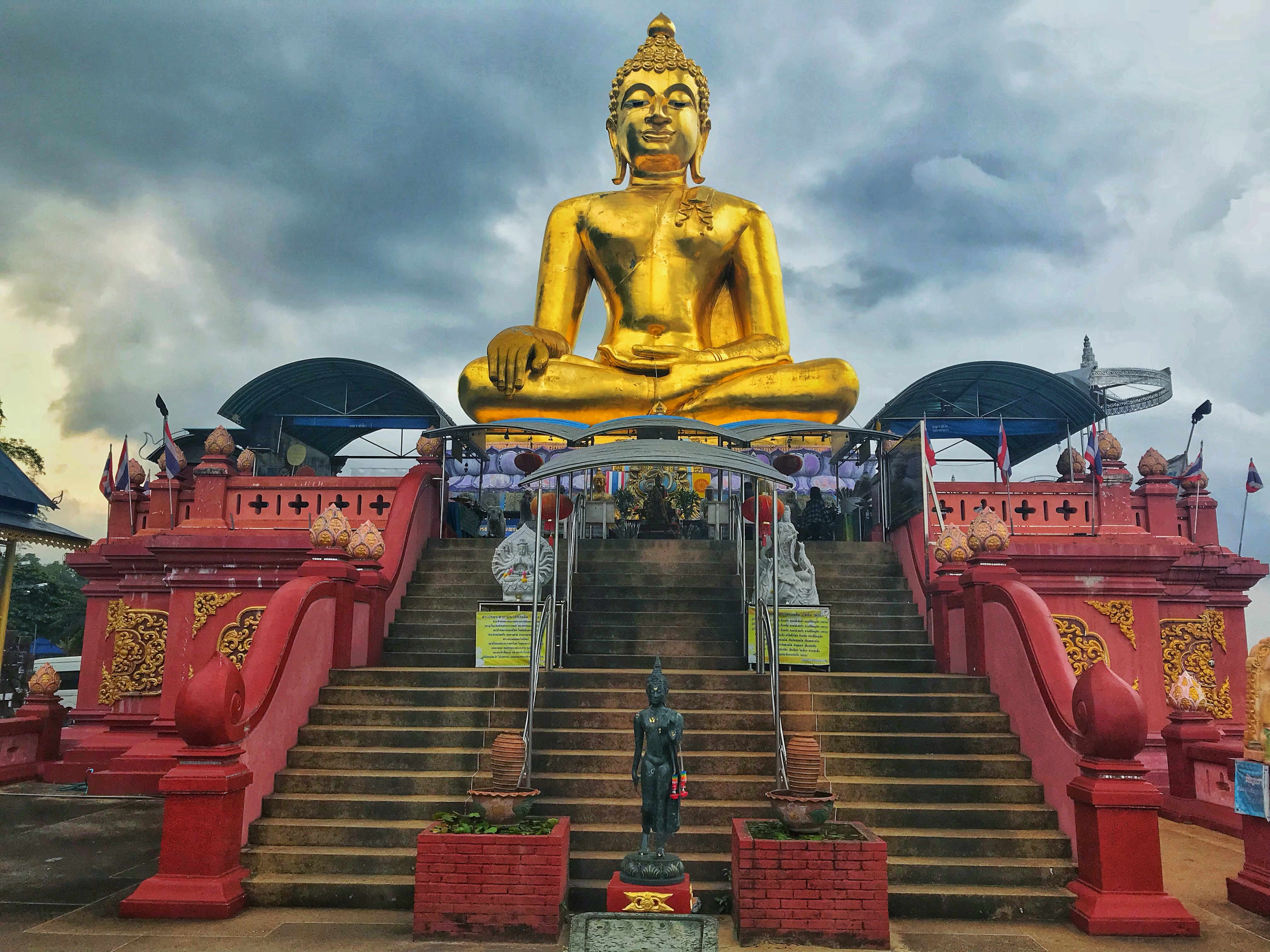
Located in the far north of Thailand, the Golden Triangle is where Thailand, Laos and Myanmar meet, around the confluence of the Mekong and Ruak rivers. Today, it is a popular tourist destination in Chiang Rai Province, but the area’s history is considerably more complicated than the viewpoints, river cruises and giant golden Buddha statues might suggest.
I visited the Thai side of the Golden Triangle at Sop Ruak, before heading inside the House of Opium, a small museum that explores the history of opium and its importance to the region.
Together, these two experiences provide a fascinating look at both the modern tourist destination and the history behind one of Southeast Asia’s most notorious regions.
Visiting the Golden Triangle
The area commonly referred to as the Golden Triangle is centred around Sop Ruak, in Chiang Saen District of Chiang Rai Province.
This is where the Ruak River meets the Mekong, with Thailand on one side and Laos and Myanmar on the other. The rivers form a natural meeting point between the three countries, making this one of the more unusual borders in Southeast Asia.
From the Thai side, the landscape is surprisingly peaceful.
The Mekong stretches away towards Laos, while the hills of Myanmar rise beyond the Ruak River. Boats operate on the river, and from the waterfront you can look across at neighbouring countries without actually leaving Thailand.
It’s quite a strange feeling when you stop and think about it.
You’re standing in Thailand, looking across the water towards Laos, with Myanmar just around the corner.
My Golden Triangle video
I filmed my visit to the area, taking a look around the Golden Triangle and the famous meeting point of the three countries.
Where Three Countries Meet
The Golden Triangle is often described simply as the point where three countries meet, although geographically the wider Golden Triangle is much larger than the tourist area at Sop Ruak.
The name has become particularly associated with the mountainous border regions of northern Thailand, eastern Myanmar and northern Laos. Historically, the wider region became internationally famous because of its role in the cultivation and trafficking of opium.
The modern tourist destination, however, is much more peaceful.
The Thai side has viewpoints, restaurants, souvenir shops, temples and river trips. Long-tail boats can also be used to explore parts of the Mekong and visit areas around the river.
The contrast between the landscape today and the reputation the Golden Triangle developed during the 20th century is quite striking.
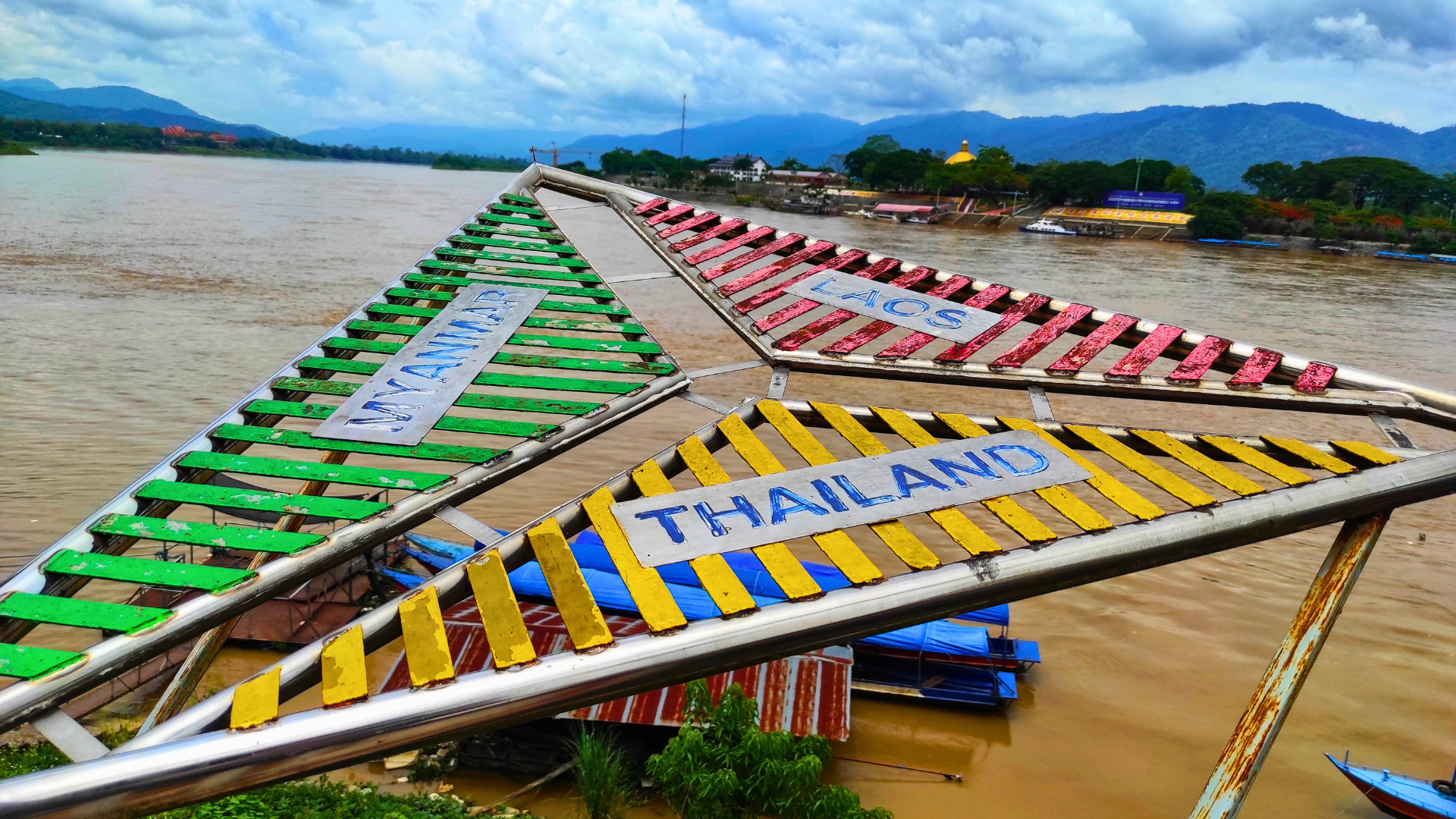
Why Is It Called the Golden Triangle?
There are several explanations for the name.
The “triangle” is fairly straightforward: it refers to the meeting of Thailand, Laos and Myanmar.
The “golden” part has been associated with the importance and value of opium as a commodity, while other explanations connect the name with trade and the area’s historic economic importance. A Tourism Authority of Thailand publication also describes the region as an important trading area, with connections extending towards Yunnan and neighbouring kingdoms.
The term became particularly associated with the opium-producing region during the 20th century.
That history is one of the reasons there is so much interest in the museums found around the Thai side of the Golden Triangle.
And that’s where the House of Opium comes in.
Inside the House of Opium
The House of Opium is a small private museum in Sop Ruak dedicated to the history of opium and its role in the Golden Triangle.
It was founded by Phatcharee Srimathayakun, who originally returned to Chiang Saen and opened an antique shop and guest house. Her interest in local history led her to begin collecting historical objects and researching the opium trade. The museum opened in 1989.
Rather than simply being a collection of old objects, the museum attempts to explain the story behind them.
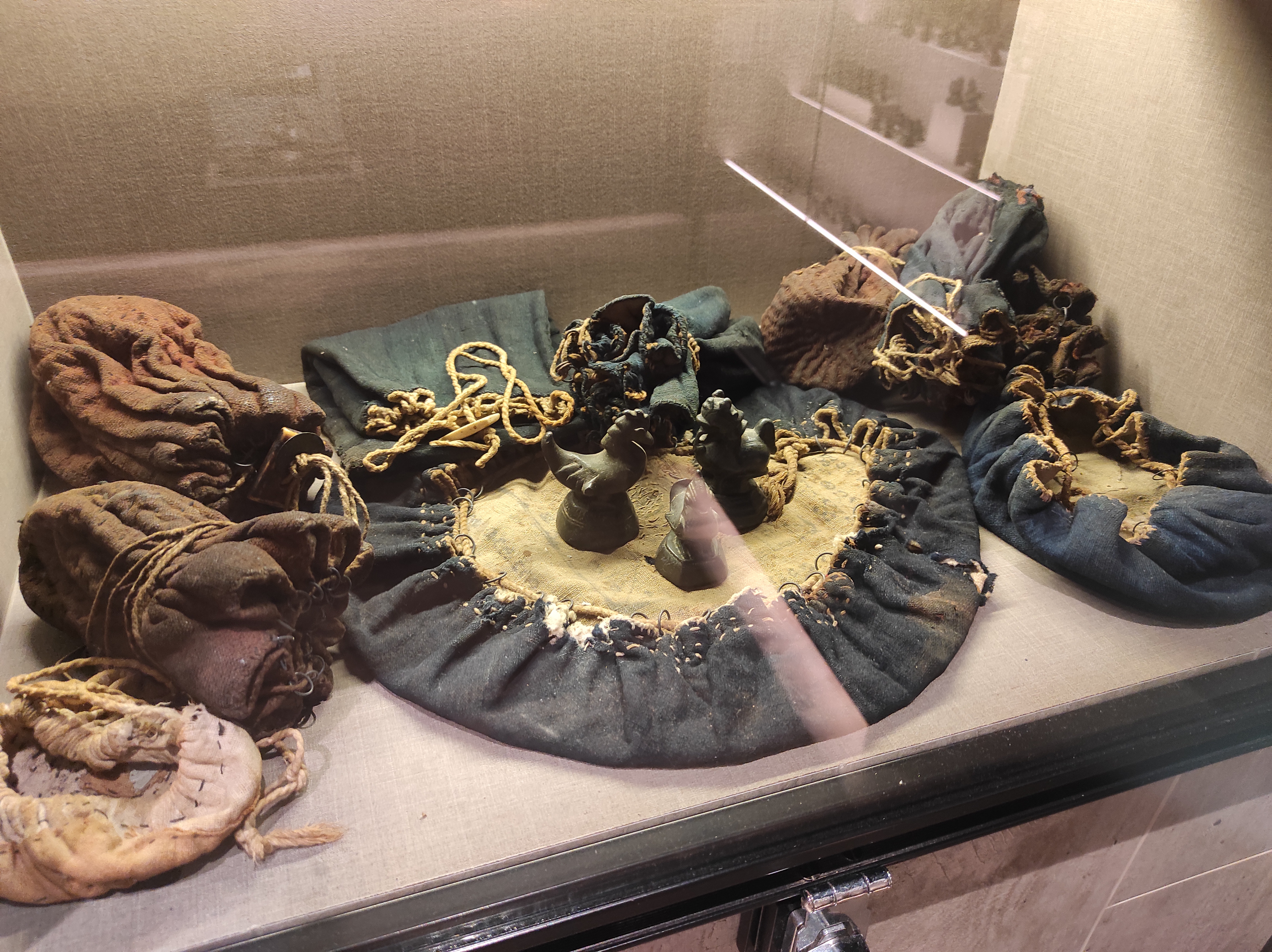
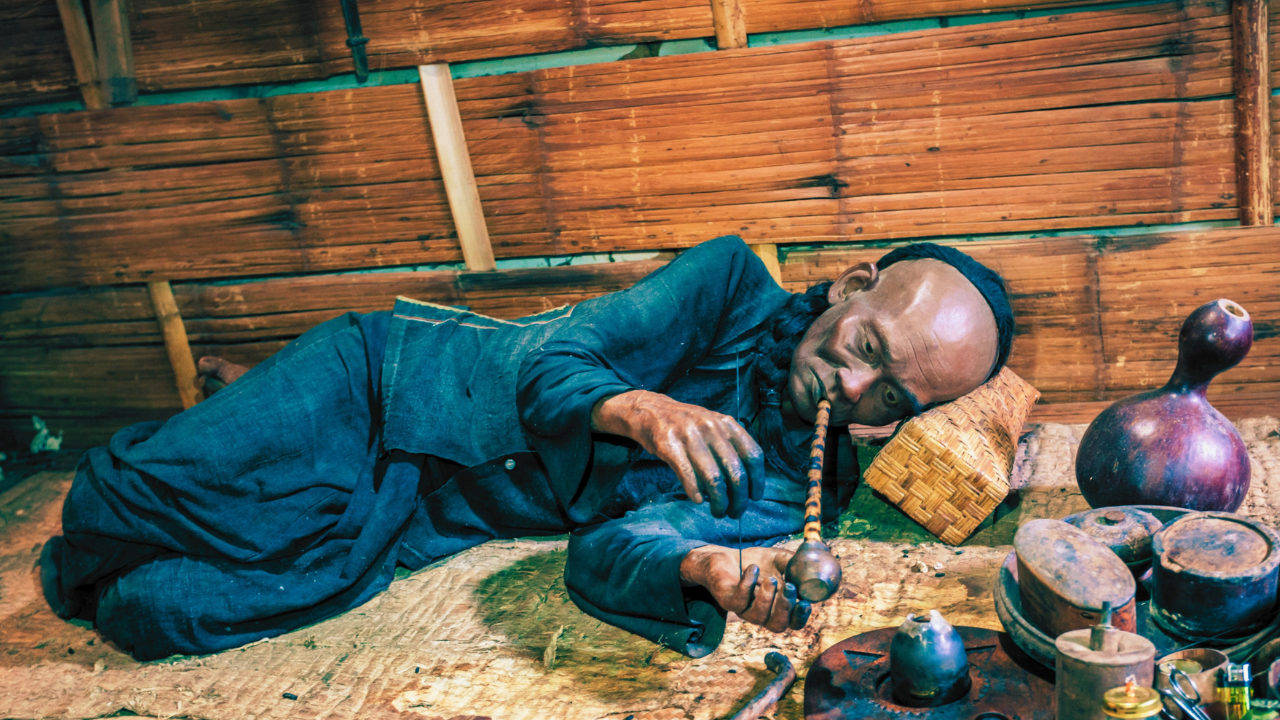
Inside are exhibits covering the history of opium, opium cultivation, equipment used in its production, smoking implements, weighing equipment and the various products associated with the trade.
My House of Opium video
I also filmed my visit inside the museum, giving you a look at what is actually on display.
The museum is divided into a number of sections, covering everything from the history and mythology surrounding opium to the tools used to cultivate, process and consume it.
There are opium pipes, knives, scrapers, scales and other objects that help demonstrate how the trade actually worked.
It’s quite different from simply reading about the Golden Triangle on a map.
Seeing the equipment used in the process makes the history much more tangible.
The Opium Trade and the Golden Triangle
Opium has a long history in Southeast Asia, but the Golden Triangle became particularly significant as global demand for opium increased.
The mountainous terrain and remote borderlands of the region provided conditions in which cultivation could develop, while the complicated borders between Thailand, Myanmar and Laos made the wider region difficult to control.
By the second half of the 20th century, the Golden Triangle had become one of the world’s most notorious opium-producing regions.
It is important, though, not to think of the Golden Triangle simply as one giant opium plantation.
The region is enormous, mountainous and culturally diverse, and the history of opium production involved many different communities, traders, governments and international forces.
The subject also has a much longer history than the tourist industry that exists there today.
That’s why museums such as the House of Opium are useful. They provide physical evidence and objects that help explain what can otherwise become a rather vague historical story.
From Opium to Tourism
One of the most interesting things about visiting the Golden Triangle today is just how different it feels from its historical reputation.
Standing beside the Mekong, you see tourists taking photographs, boats travelling along the river and people enjoying the scenery.
There is little about the immediate surroundings that suggests the complicated history associated with the name.
Thailand has also made considerable efforts to move away from the region’s association with opium cultivation.
One major example is the Doi Tung Development Project, associated with the Mae Fah Luang Foundation. The project was established as part of a broader effort to provide alternative livelihoods and reduce reliance on opium cultivation in the region. The Hall of Opium was later established as an educational centre explaining the history and dangers associated with opium and other drugs.
This is an important part of the modern story of northern Thailand.
The Golden Triangle isn’t frozen in the past.
It has changed.
The Golden Triangle Today
Today, the Thai side of the Golden Triangle is primarily a tourist destination.
The riverfront at Sop Ruak has become the place most visitors associate with the Golden Triangle, with viewpoints looking towards Laos and Myanmar and boats offering trips along the Mekong.
The Tourism Authority of Thailand describes the location as an important attraction in Chiang Rai, while the wider province is known for its mountainous landscapes, Lanna culture, temples and border regions.
There are also several other attractions nearby, including temples, museums and historic sites around Chiang Saen.
That makes the Golden Triangle more than simply a place to stop, take a photograph and leave.
There’s quite a lot of history packed into this small corner of northern Thailand.
Three Countries, One View
Perhaps the most memorable thing about visiting the Golden Triangle is the geography.
Borders are usually something we think of as lines on maps.
Here, you can actually see them.
The Mekong and Ruak rivers form natural boundaries, and from the Thai side you can look across at two neighbouring countries.
It’s one of those places where geography suddenly becomes much more real.
And then you add the history.
The same landscape that is now visited by tourists was once part of a much larger regional story involving trade, migration, agriculture, political borders and the international opium trade.
That combination is what makes the Golden Triangle so interesting to me.
It’s not just a viewpoint.
It’s a place with a story.
Visiting the Golden Triangle and House of Opium
If you’re visiting Chiang Rai, the Golden Triangle is relatively straightforward to add to a northern Thailand itinerary.
The main tourist area is around Sop Ruak, in Chiang Saen District. The Golden Triangle is roughly 9 kilometres north of Chiang Saen’s historic centre, following the Mekong.
The House of Opium is located in the Sop Ruak area and is currently listed by the museum as open daily. Its official website is the best place to check current opening times and admission information before travelling.
I’d recommend allowing enough time to do more than simply photograph the three-country viewpoint.
The museum adds considerably more context to the visit, particularly if you’re interested in the history behind the Golden Triangle’s name.
The Golden Triangle: More Than a Tourist Attraction
The Golden Triangle is one of those places where the tourist attraction and the history are impossible to completely separate.
Today, it is a scenic corner of northern Thailand where three countries meet.
But behind the photographs and river cruises is a complicated history involving one of the world’s most important narcotic commodities.
Visiting the House of Opium helped put some of that history into perspective.
Rather than simply hearing that the Golden Triangle was associated with opium, you can see the tools, objects and information connected to that history.
And that’s what made combining these two visits particularly worthwhile.
One video shows the place.
The other shows the story behind it.
Together, they give a much better picture of the Golden Triangle.
Watch Both Videos
The Golden Triangle 🔶 (Thailand, Laos & Myanmar!)
What’s Inside Thailand’s House of Opium? �*
Sources & Further Reading
- Tourism Authority of Thailand – Golden Triangle and Chiang Rai destination information.
- Department of Mineral Resources, Thailand – geographical information on the Golden Triangle and Sop Ruak.
- House of Opium – museum history, founder and visitor information.
- Museum Thailand – House of Opium collections and exhibits.
- Museum Thailand – Hall of Opium and the history of efforts to reduce opium production.
Comments