Thailand: Navigating The Roads On The Left Side!

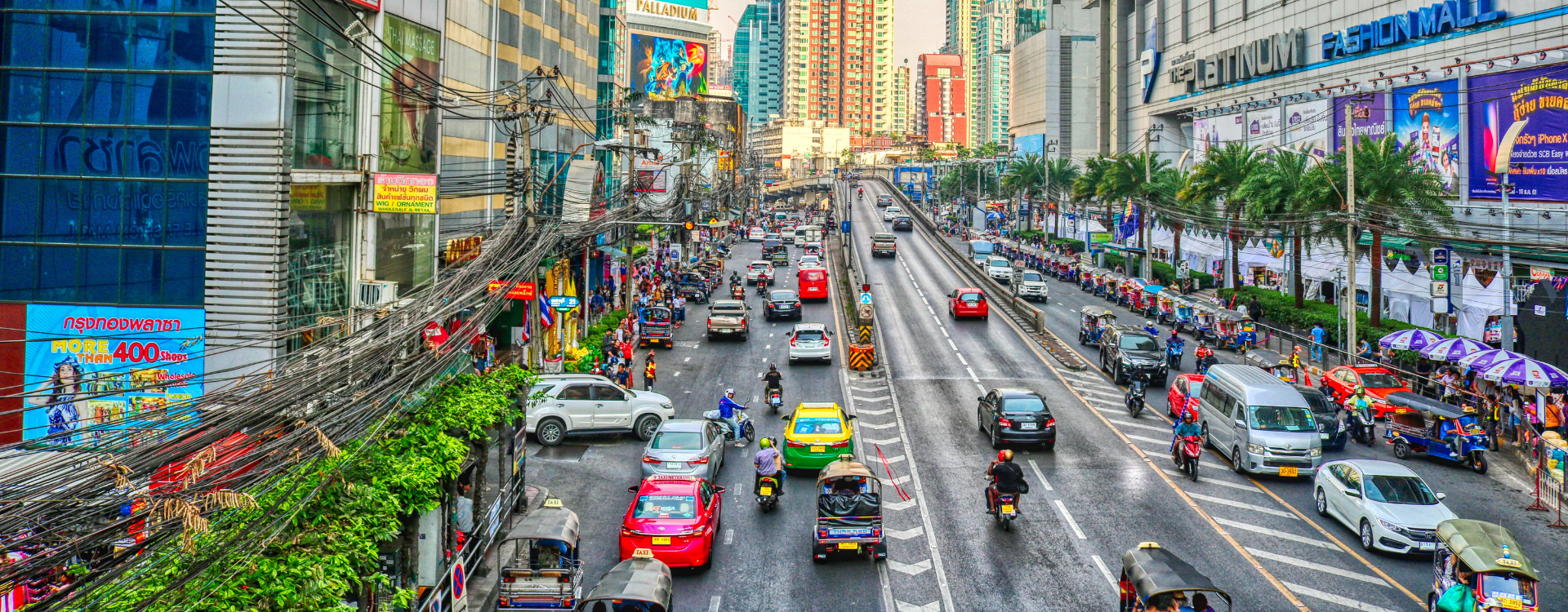
Thailand’s road network is one of the most developed in Southeast Asia, with highways, rural roads, toll expressways, and a surprisingly efficient system of bridges, tunnels, and bypasses connecting the country from Chiang Rai to the Malaysian border. Whether you’re renting a car, hopping on a scooter, or simply crossing the street, there’s one thing every visitor notices immediately:
Thailand drives on the left.
And while many blogs confidently claim this is because of “British influence,” the truth is far more interesting — and far more Thai.
Thailand: Navigating The Roads On The Left Side!
Thailand drives on the left, but not because of British colonialism.
Thailand was never colonised, and its left‑side driving predates British road rules in the region.
The real reasons are a blend of:
- traditional traffic patterns from the pre‑automobile era
- regional consistency with neighbouring countries
- early adoption of left‑side norms during the introduction of cars
- practicality, not colonial inheritance
Let’s break it down properly.
Historical Background of Thailand’s Road System
Thailand’s road system has evolved over centuries, long before cars arrived.
Ayutthaya Period (1350–1767)
Roads were mostly dirt paths used for trade, military movement, and canal‑based transport. Wheeled vehicles were rare; people travelled by foot, elephant, or boat.
Early Bangkok Era
Bangkok was built around canals, not roads. Waterways were the primary transport network, and early “roads” were simply paths alongside klongs.
Arrival of Automobiles (Early 1900s)
Cars began appearing in Thailand in the early 20th century. As traffic increased, the government began paving roads and formalising traffic rules.
Modern Expansion (Mid–Late 20th Century)
Under King Bhumibol Adulyadej (Rama IX), Thailand invested heavily in rural development and nationwide infrastructure. Highways, bridges, and expressways expanded rapidly, creating the road network Thailand uses today.
Why Thailand Really Drives on the Left
Here’s the part most blogs get wrong — Thailand did not adopt left‑side driving because of British rule. Instead, the reasons are:
1. Traditional left‑side passing
Before cars, people in Thailand (and much of Asia) tended to pass oncoming traffic on the left. This was influenced by:
- right‑hand weapon use
- elephant and horse riding customs
- regional norms
This mirrors the historical logic behind left‑side travel in Japan.
2. Regional consistency
Thailand’s neighbours — Malaysia, Singapore, Myanmar — all drive on the left.
Early cross‑border trade made left‑side driving the practical choice.
3. Early automotive influence
When cars arrived, Thailand imported many vehicles from Japan and the UK — both left‑side‑driving nations.
Right‑hand‑drive cars became the default.
4. Thailand’s independence
Because Thailand was never colonised, it could choose its own system.
Left‑side driving simply made the most sense.
So while the “British influence” myth is popular, the truth is more nuanced — and more interesting.
The Benefits and Challenges of Left‑Side Driving in Thailand
Driving on the left has its advantages, especially in a region where many countries follow the same system.
Benefits
1. Regional consistency
Travellers from Malaysia, Singapore, Japan, Australia, and the UK feel instantly at home.
2. Safety advantages
Studies suggest left‑side driving may reduce head‑on collisions because:
- drivers sit on the right
- they have a clearer view of oncoming traffic
- overtaking visibility improves
3. Safer roadside exits
Drivers exit onto the pavement, not into traffic.
Challenges (Especially for Right‑Side Drivers)
If you’re used to driving on the right, Thailand can feel disorienting at first.
1. Reduced visibility
Right‑side drivers may struggle with:
- judging distance on the left
- seeing around corners
- overtaking safely
2. Lane discipline
Thailand’s road culture is… flexible.
Expect:
- motorbikes appearing from every direction
- cars drifting between lanes
- slow vehicles in the fast lane
- fast vehicles in every lane
3. Overtaking feels reversed
You’ll need to overtake on the right, not the left.
4. Roundabouts
Traffic flows clockwise — the opposite of right‑side countries.
How Left‑Side Driving Affects Travellers in Thailand
Whether you’re renting a car, riding a scooter, or simply crossing the street, left‑side driving changes the experience.
Renting a Car
If you’re confident and experienced, renting a car can be a great way to explore Thailand. But keep in mind:
- expressways often require cash for tolls
- signage is bilingual (Thai + English)
- GPS is reliable
- rural roads can be narrow and unpredictable
- motorbikes may overtake on both sides
Riding a Scooter
This is where most tourists get caught out.
Scooters are convenient, but:
- traffic flows differently
- road rules are loosely followed
- helmets are legally required (but not always worn)
- insurance often excludes scooter accidents
If you’re not confident on two wheels, don’t learn in Thailand.
Walking
Even crossing the road requires a mental reset:
- look right first, not left
- zebra crossings are suggestions, not guarantees
- motorbikes may use pavements
Practical Tips for Driving in Thailand
- Stick to the left lane unless overtaking
- Expect motorbikes everywhere
- Use your mirrors constantly
- Avoid driving at night in rural areas
- Keep cash for tolls
- Don’t assume other drivers will follow the rules
- Drive defensively, not aggressively
Should You Drive in Thailand?
It depends on your confidence level.
Good idea if you:
- have experience driving abroad
- are comfortable with left‑side traffic
- want to explore rural areas
- prefer independence over tours
Not a good idea if you:
- are nervous about unfamiliar road systems
- have never driven a scooter but want to “try it”
- plan to stay mostly in Bangkok (use BTS/MRT instead)
- dislike unpredictable traffic
Conclusion – Thailand: Navigating the Roads on the Left Side!
Thailand drives on the left not because of colonial influence, but because of long‑standing regional and cultural norms that predate the automobile. Today, left‑side driving is simply part of the country’s identity — practical, consistent, and deeply embedded in daily life.
For travellers, it’s an adjustment, but not an impossible one. With patience, awareness, and a healthy respect for Thailand’s unique road culture, you can navigate the country safely and confidently.
Whether you’re driving, riding, or just crossing the street, understanding how Thailand’s roads work makes your journey smoother — and a lot more enjoyable.
You should also read:

A Guide to Sharks in Thailand: Species, Diving, and Conservation
Thailand’s waters are home to some of the most fascinating marine life in Southeast Asia — and sharks are among the most iconic. From gentle giants like whale sharks to elegant reef species cruising the shallows, Thailand offers divers and snorkellers a chance to see…
Continue reading...
Comments