Songkran Festival: Celebrating Thai New Year With Water, Culture, and Community

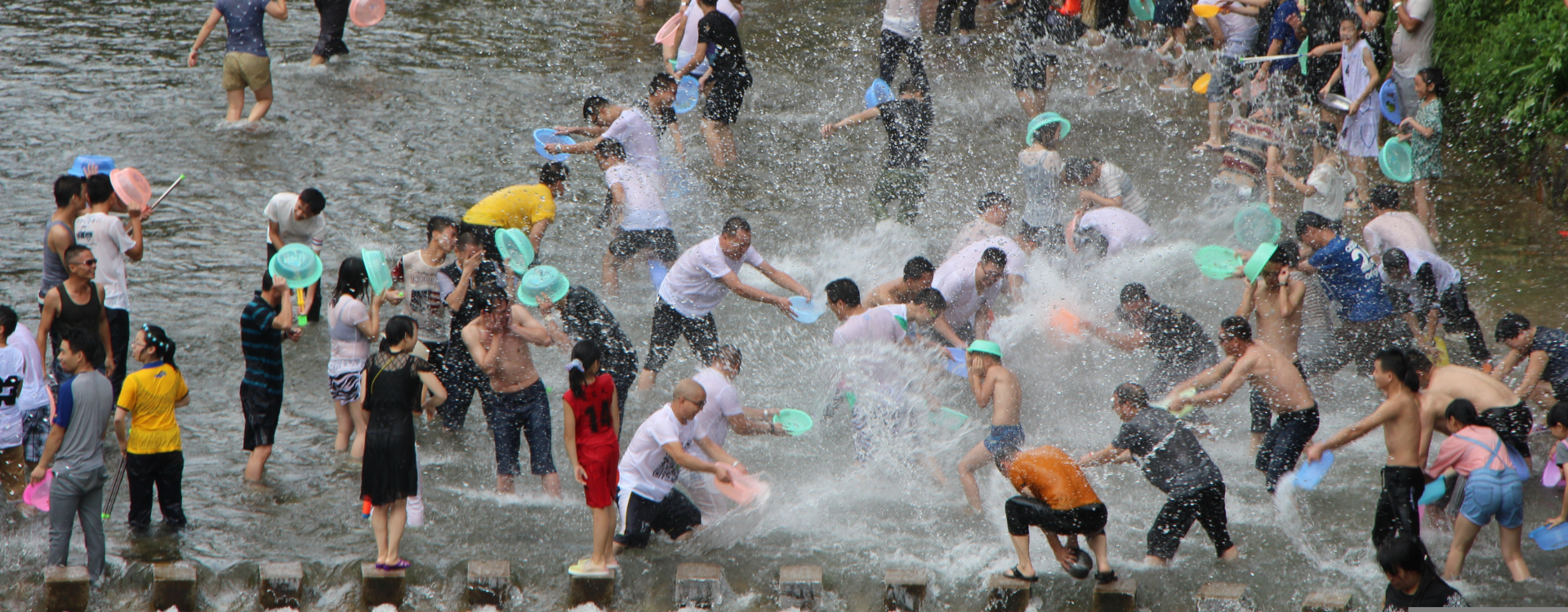
Songkran is Thailand’s most iconic festival — a three‑day celebration of Thai New Year, held every year from April 13–15. It’s a blend of ancient tradition, Buddhist rituals, family gatherings, and, of course, the world‑famous water festival that turns entire cities into joyful, good‑natured chaos.
Songkran Festival: Celebrating Thai New Year With Water, Culture, and Community
Songkran marks the start of a new year in the traditional Thai calendar. It’s a time to reset, reconnect, and refresh — spiritually, emotionally, and literally. While the water fights grab the headlines, the heart of Songkran is about respect, renewal, and community.
Across the country, people visit temples, pour water over Buddha images, clean their homes, honour their elders, and make merit for the year ahead. The water splashing is simply the modern, playful evolution of these older cleansing rituals.
Origins and Traditions of Songkran
Songkran has deep roots in Buddhist and Brahmanical traditions. The word “Songkran” comes from Sanskrit and means “astrological passage” — the moment the sun moves into Aries, marking the transition into a new year.
Key Traditions
1. Making Merit (ทำบุญ)
People visit temples to:
- offer food to monks
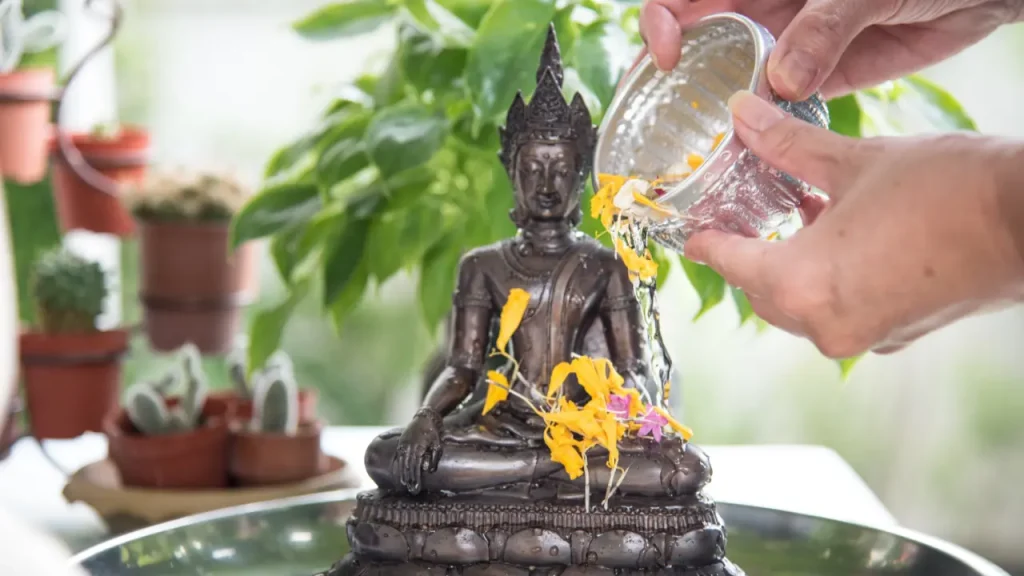
- pour scented water over Buddha statues
- donate to temple upkeep
- release fish or birds as acts of kindness
These rituals symbolise cleansing misfortune and inviting good luck.
2. Respecting Elders (รดน้ำดำหัว)
A gentle, respectful pouring of water over the hands of parents and grandparents.
This is one of the most meaningful parts of Songkran — a moment of gratitude and blessing.
3. Cleansing the Home
Families clean their houses to sweep away bad luck and welcome the new year with a fresh start.
4. Sand Pagodas (เจดีย์ทราย)
In some regions, people build small sand stupas at temples.
It’s symbolic, playful, and deeply rooted in local tradition.
5. The Water Festival
The modern water fights evolved from the gentle cleansing rituals.
Today, they’re a joyful way to cool off during Thailand’s hottest month — and to symbolically wash away the old year.
Songkran by Region: How Celebrations Differ Across Thailand
Songkran may be a national holiday, but each region of Thailand celebrates it with its own flavour, pace, and personality.
Chiang Mai — The Cultural Capital of Songkran
Often called the best place in Thailand to experience Songkran.
- Multi‑day celebrations
- Massive water battles around the Old City moat
- Traditional Lanna ceremonies
- Parades and floral floats
Vibe: Joyful, traditional, energetic.
Bangkok — Urban Water Mayhem
Bangkok goes big.
- Silom Road becomes a packed water‑fight corridor
- Khao San Road turns into a backpacker battlefield
- Temples offer quieter, traditional celebrations
Vibe: Loud, crowded, high‑energy.
Pattaya — The Longest Songkran in Thailand
Pattaya extends Songkran to April 19 (Wan Lai).
- Week‑long water fights
- Beach‑side parties
- Concerts and street events
Vibe: Wild, extended, party‑heavy.
Phuket — Beach Meets Tradition
Patong Beach is the centre of the action.
- Water fights along the beachfront
- Cultural events in Phuket Old Town
Vibe: Tropical, lively, tourist‑friendly.
Isaan (Northeast Thailand) — Community and Tradition
More local and family‑focused.
- Temple ceremonies
- Respecting elders
- Traditional music and dancing
Vibe: Warm, community‑driven, authentic.
Southern Thailand — Calmer, More Cultural
Celebrations are quieter in the deep south.
- Temple visits
- Family gatherings
Vibe: Respectful, slower, traditional.
Northern Provinces (Outside Chiang Mai)
Places like Lampang, Nan, and Chiang Rai offer:
- Beautiful parades
- Traditional Lanna rituals
- Smaller water fights
Vibe: Charming, cultural, less crowded.
Central Thailand — Balanced and Festive
Ayutthaya, Sukhothai, and Lopburi offer:
- Historical‑park celebrations
- Elephant‑themed water play (Ayutthaya)
Vibe: Scenic, balanced, great for families.
Where and When to Celebrate Songkran
Songkran is celebrated nationwide from April 13–15, though some cities stretch it longer.
Popular destinations include:
- Chiang Mai — the biggest celebration
- Bangkok — Silom & Khao San
- Pattaya — extended festival
- Phuket — beach‑side celebrations
Wherever you go, expect a mix of tradition, celebration, and joyful chaos.
Activities and Highlights of Songkran
1. Water Fights
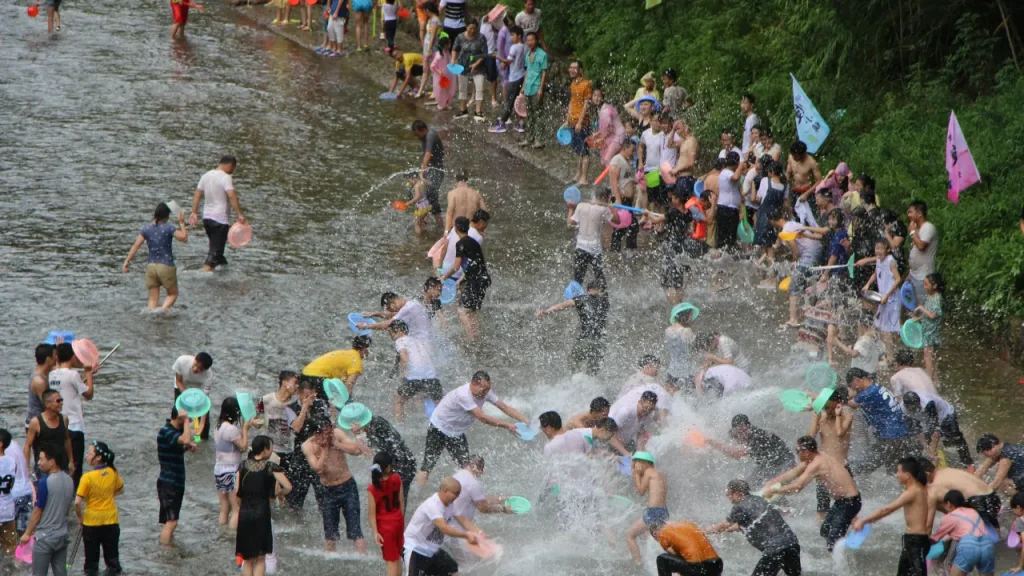
Buckets, water guns, hoses — everything goes.
2. Temple Visits
Make merit, pour water over Buddha images, and pray for a prosperous year.
3. Parades
Floats, dancers, traditional costumes, and cultural performances.
4. Street Parties
Music, food stalls, dancing, and crowds celebrating late into the evening.
5. Traditional Food
Songkran is a great time to enjoy:
- som tam
- pad thai
- mango sticky rice
- iced Thai tea
6. Beauty Pageants
Some regions host “Miss Songkran” competitions.
7. Community Events
Local temples and neighbourhoods host games, ceremonies, and family gatherings.
Tips for Celebrating Songkran Responsibly and Respectfully
1. Dress Appropriately
Wear clothes that cover shoulders and knees.
Avoid white — it becomes transparent when wet.
2. Respect Boundaries
Don’t splash:
- monks
- the elderly
- babies
- people in work uniforms
- motorbike riders
3. Stay Hydrated
April is Thailand’s hottest month.
4. Protect Your Belongings
Use waterproof bags for phones, money, and passports.
5. Be Environmentally Mindful
Choose eco‑friendly water practices and avoid littering.
6. Celebrate Safely
Wet roads can be slippery.
Avoid alcohol while participating.
7. Embrace the Spirit
Songkran is about renewal, respect, and community.
Conclusion
Songkran is more than a giant water fight — it’s a celebration of Thai identity, family, tradition, and renewal. From temple rituals to street‑wide water battles, it’s a festival that blends ancient customs with modern joy.
Whether you’re visiting Thailand for the first time or experiencing Songkran as a returning traveller, it’s one of the most unforgettable cultural events in the world — a moment where the entire country comes together to welcome a fresh start.
You should also read:
Movies Shot In Thailand
Movies Shot in Thailand With the new Fast and Furious movie being filmed in Thailand, I thought it was the perfect time to put together a list of movies shot in Thailand. These are films I’ve watched, enjoyed, and think are worth checking out. Thailand…
Continue reading...
Colors of the Day in Thailand
Each day of the week in Thailand is associated with a specific colour, believed to bring luck and protection. This tradition comes from Thai astrology, where each day is linked to a guardian deity — and each deity has a symbolic colour. Your “lucky colour”…
Continue reading...
Useful Thai Phrases and Words
Learning Thai can feel intimidating at first, but even a handful of basic words makes travelling in Thailand far more fun and engaging. These simple phrases will help you order food, shop, greet people, and navigate daily life with a bit more confidence. This isn’t…
Continue reading...
Comments