Exploring the Blue Temple in Chiang Rai (Wat Rong Suea Ten)

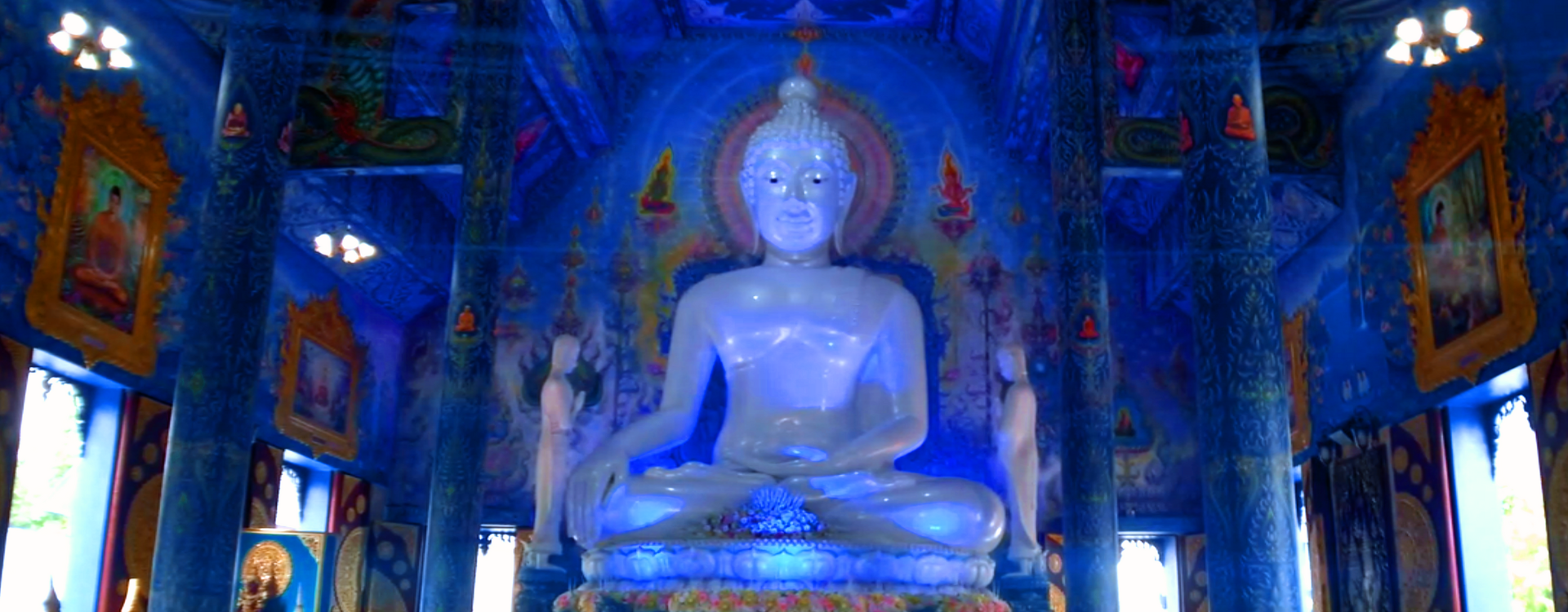
The Blue Temple — officially Wat Rong Suea Ten — is one of Chiang Rai’s most striking modern temples. With its vivid blue colour palette, gold detailing, and contemporary Buddhist art, it’s a place that feels both traditional and refreshingly new. If you’re exploring northern Thailand, this is one of those stops that stays with you long after you leave.
🎥 Video: Exploring the Blue Temple
The History and Significance of the Blue Temple
Wat Rong Suea Ten is a relatively new addition to Chiang Rai’s temple scene. Construction began in 2005 on the site of an older, abandoned temple. The project was led by Phuttha Kabkaew, a student of Chalermchai Kositpipat — the artist behind the famous White Temple (Wat Rong Khun).
The name Rong Suea Ten translates to “Temple of the Dancing Tiger”, a reference to the tigers that once roamed the area. The temple’s bold blue colour represents purity, wisdom, and the Buddha’s enlightened state.
Unlike many historic temples, the Blue Temple embraces a modern artistic style while still honouring traditional Buddhist symbolism. It’s become a symbol of Chiang Rai’s growing reputation for contemporary temple design.
Architecture and Design
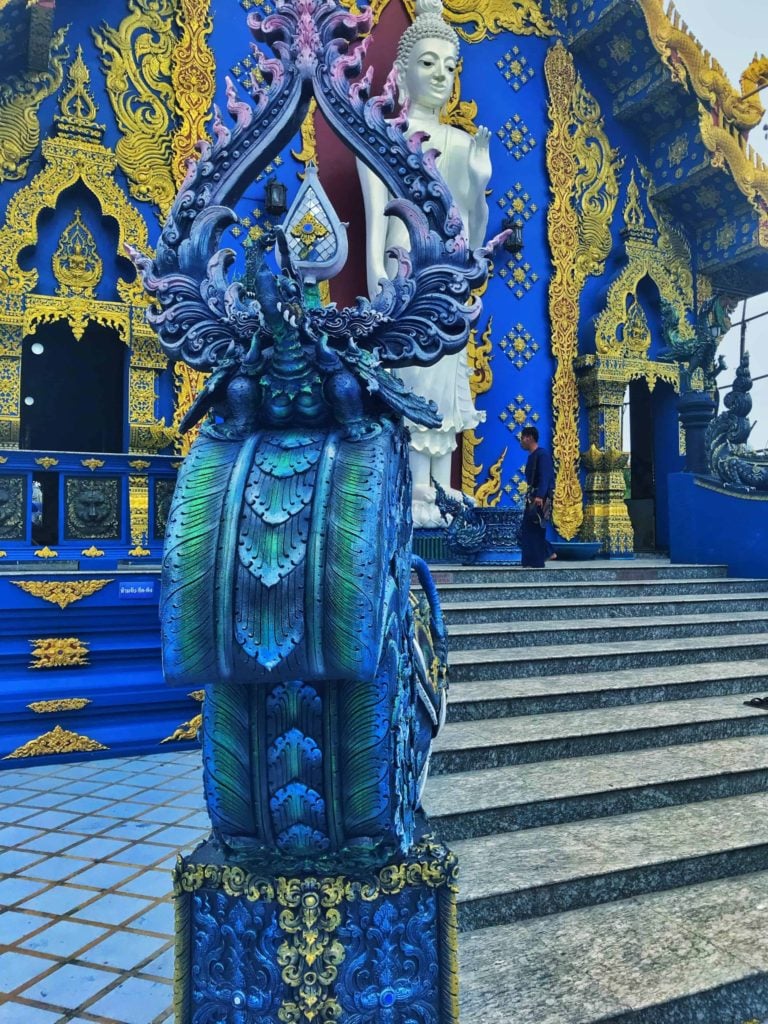
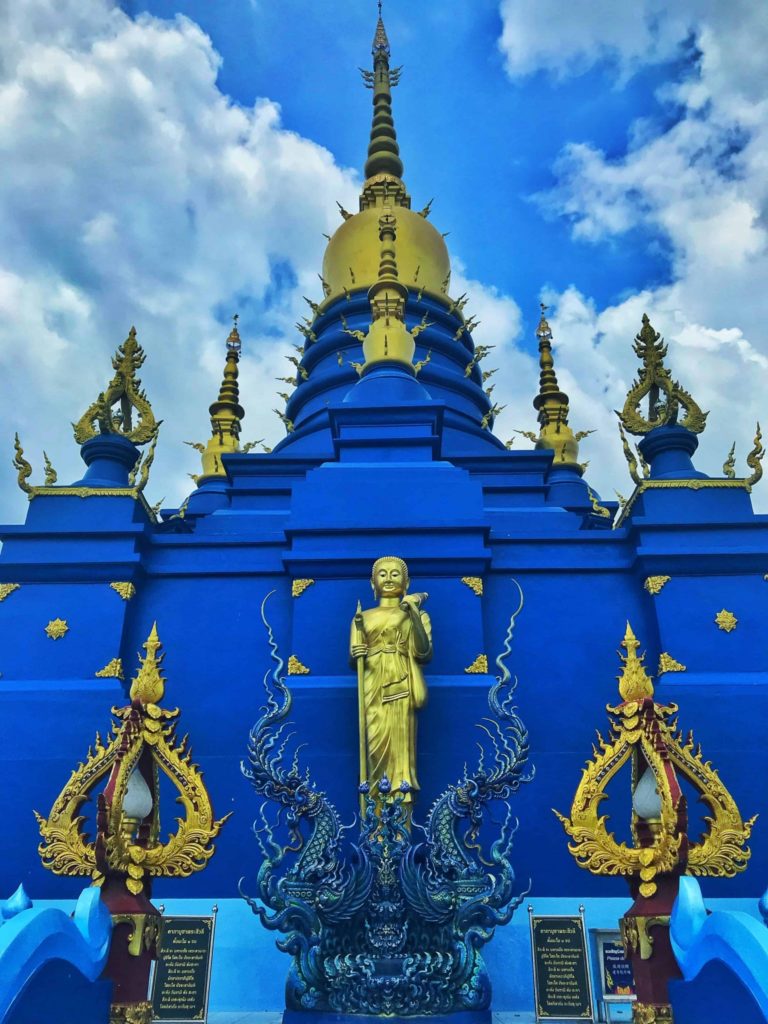
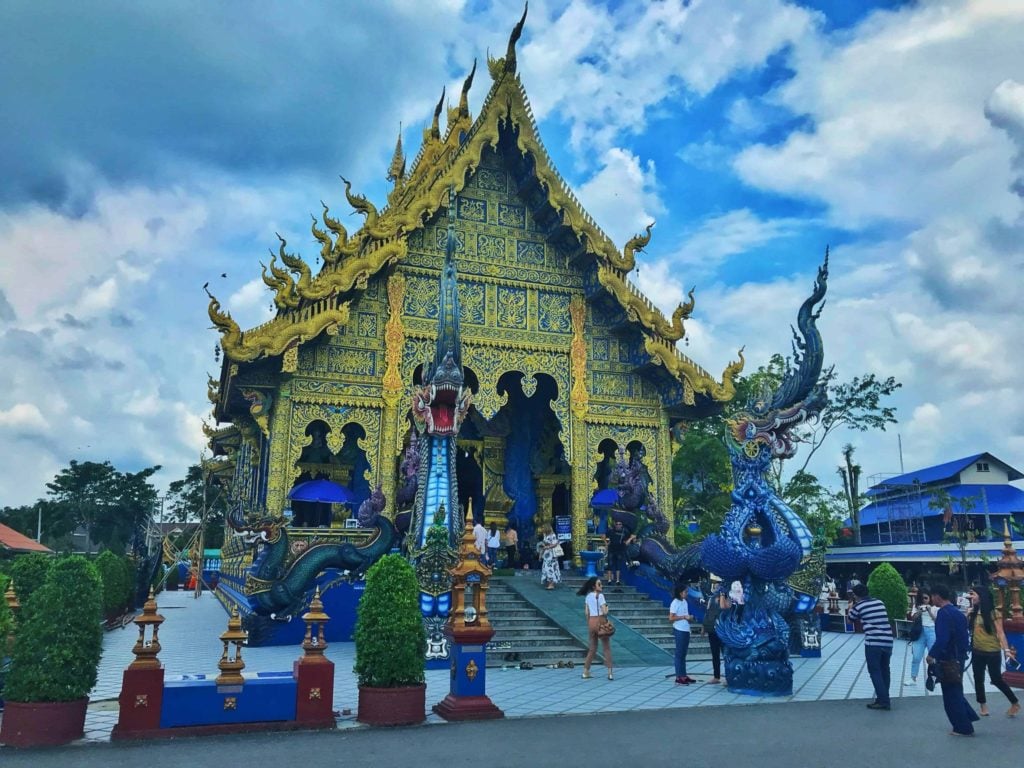
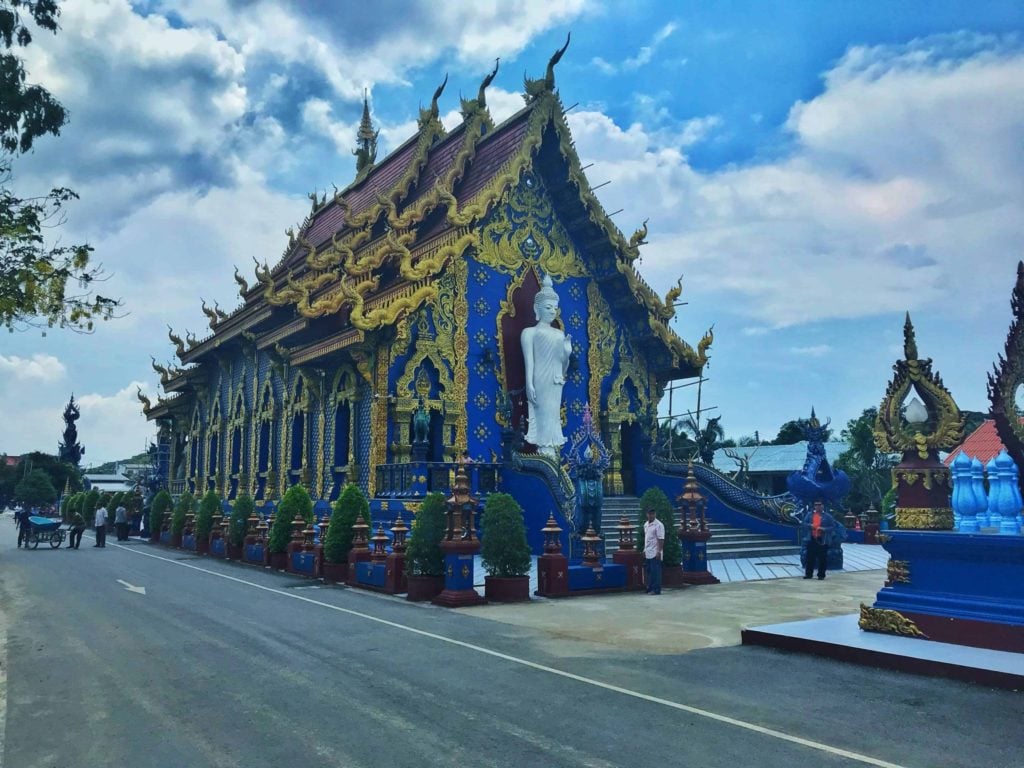
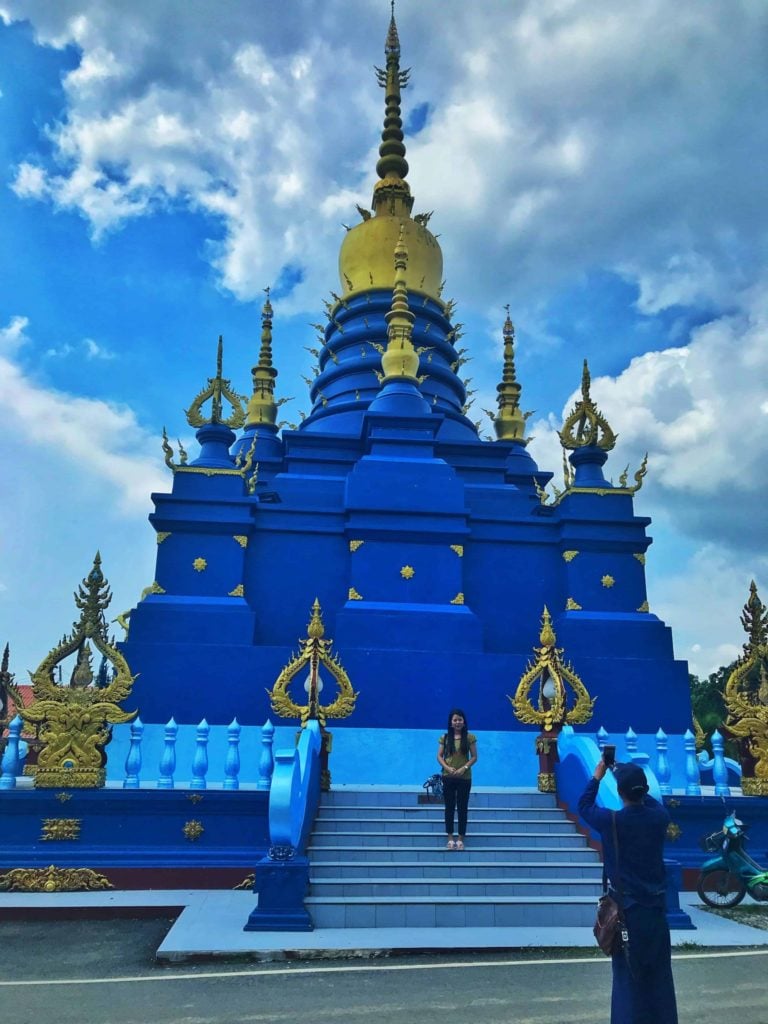
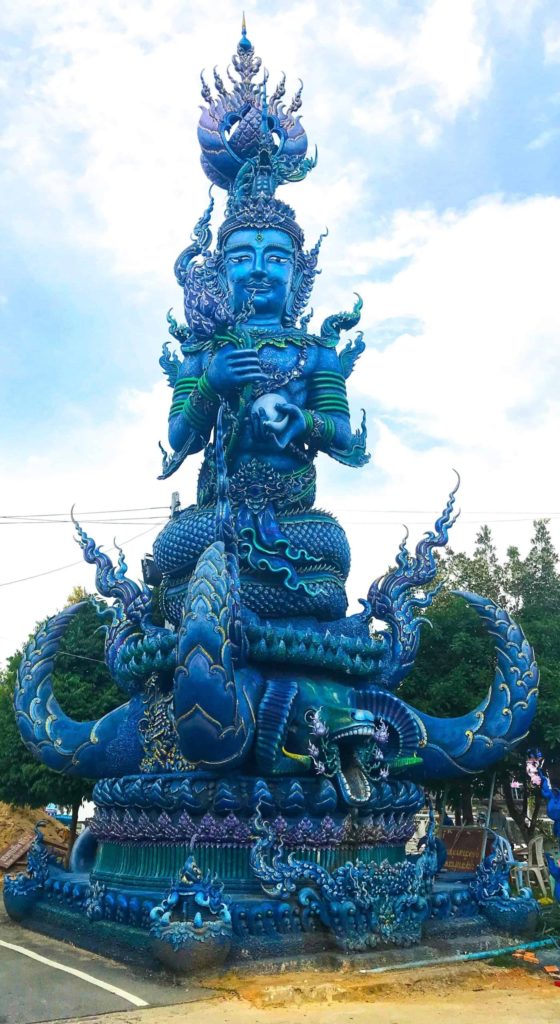
The Blue Temple is instantly recognisable thanks to its deep blue exterior accented with gold. The colour choice is deliberate — blue symbolises the Dharma, the teachings of the Buddha, while gold represents prosperity and spiritual illumination.
Highlights of the design include:
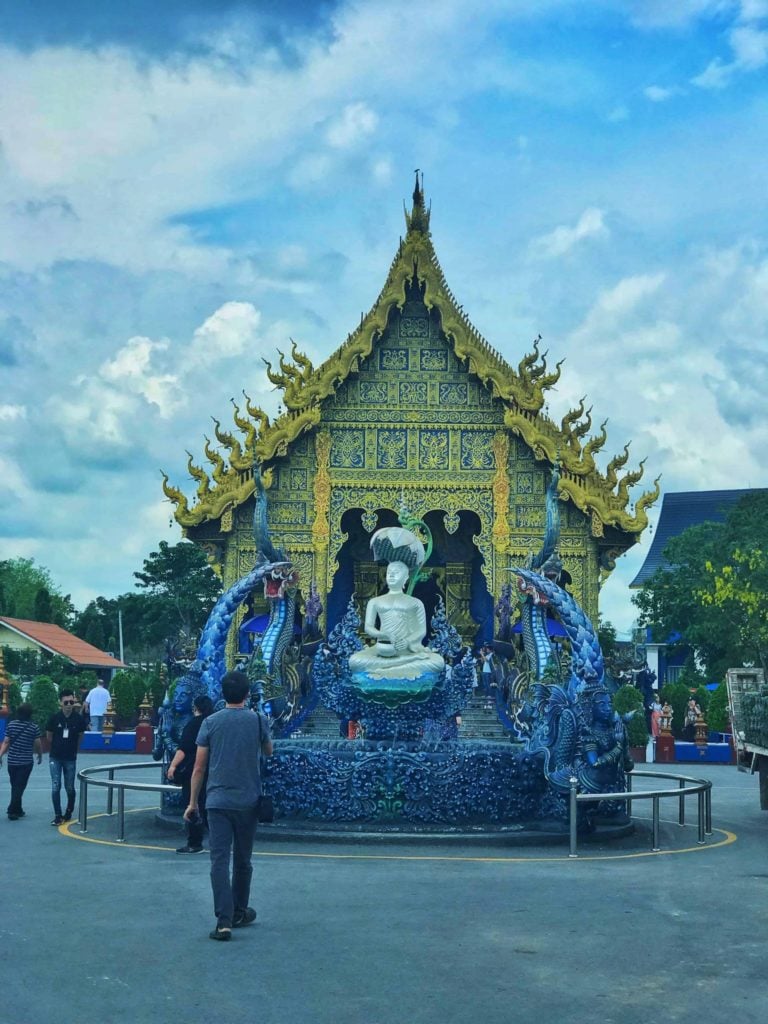
- The main hall (ubosot) with its bright blue interior and large white Buddha statue
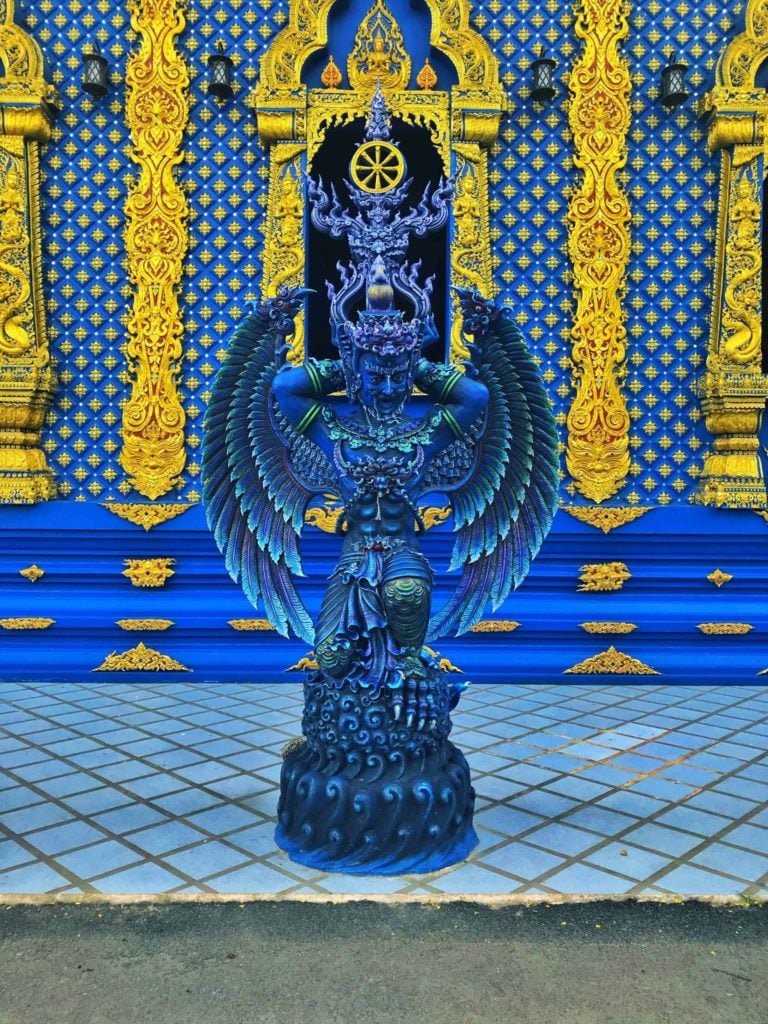
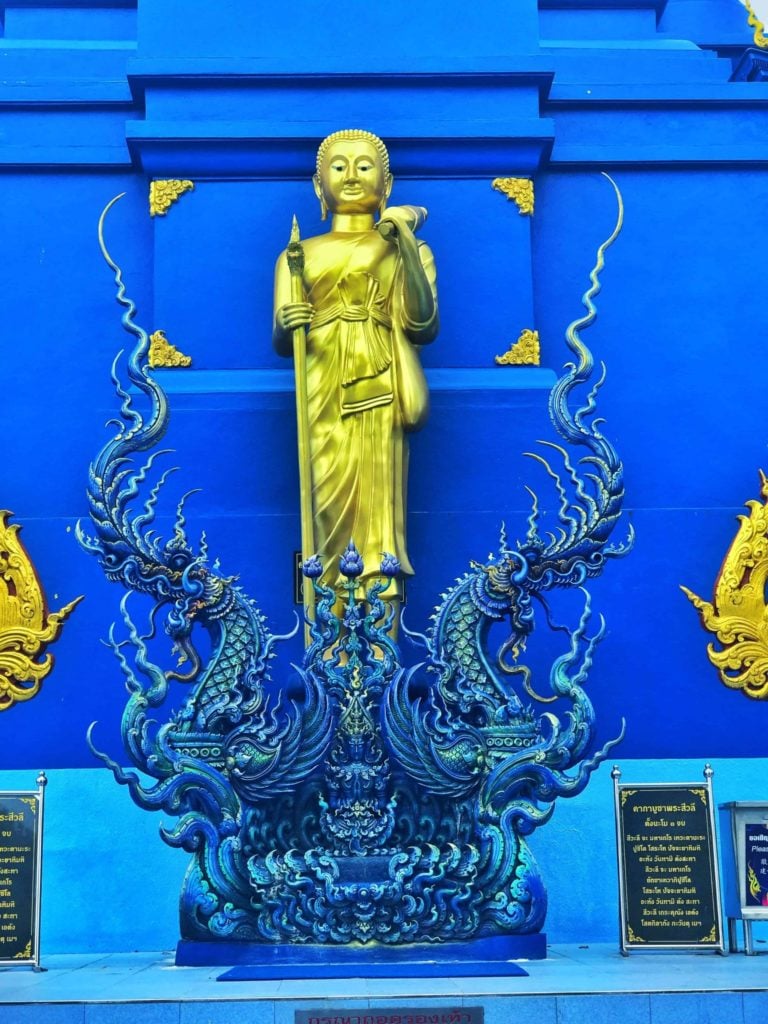
- Intricate naga (serpent) sculptures guarding the entrance
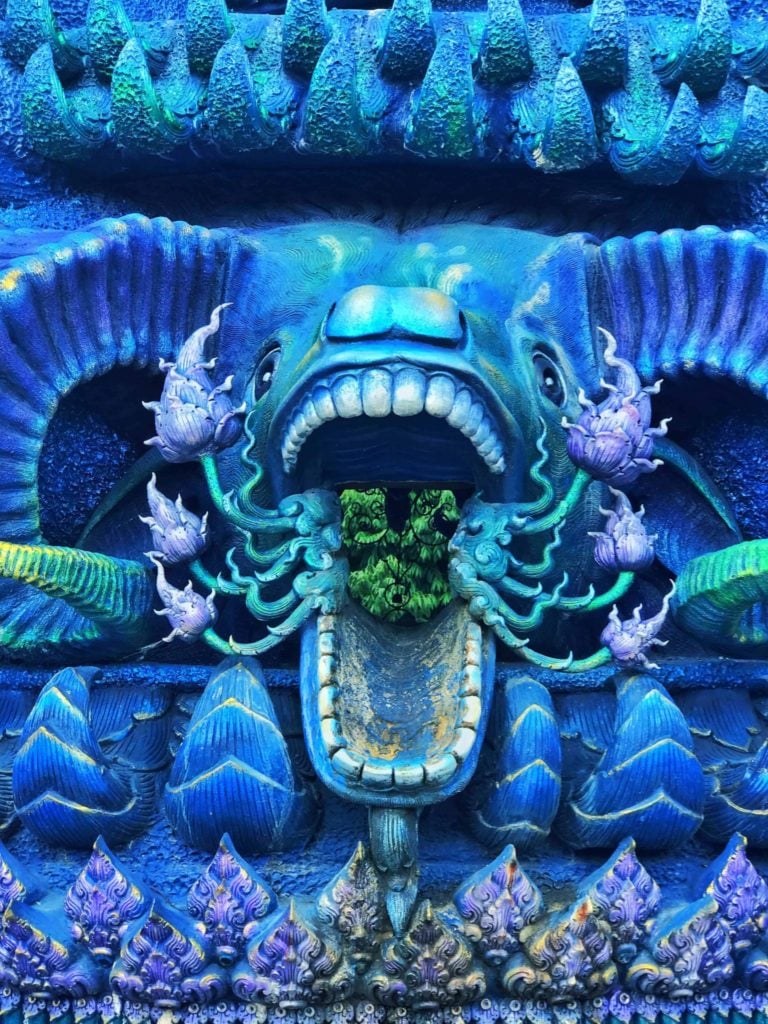
- Contemporary murals blending traditional Buddhist stories with modern artistic flair
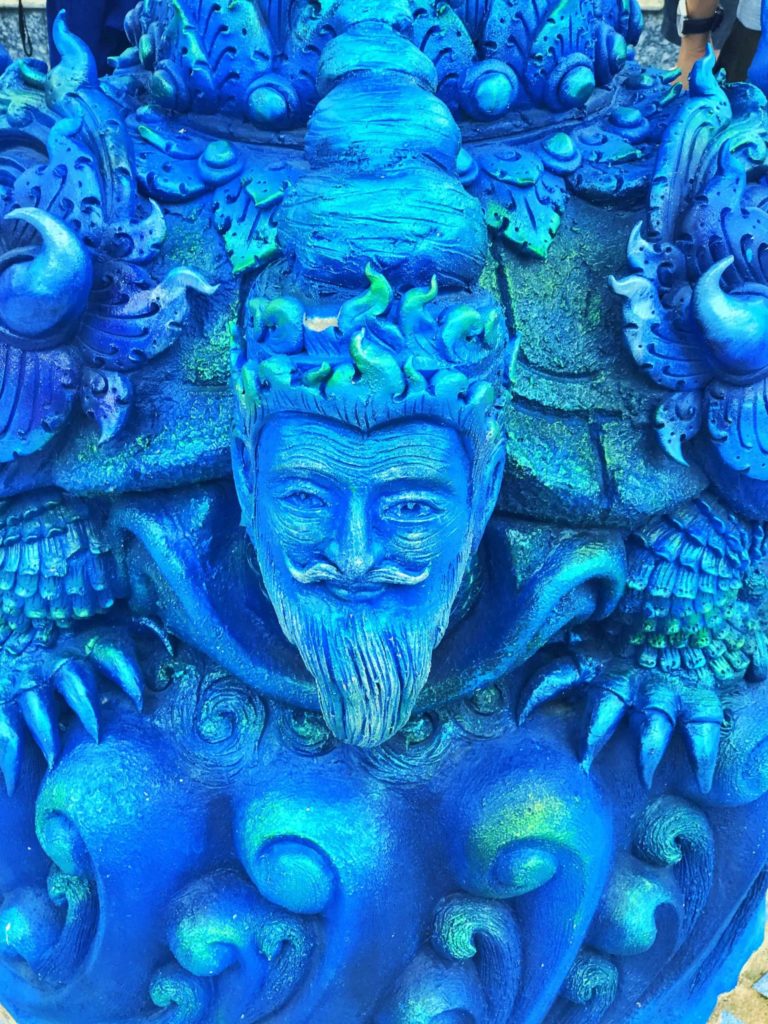
- Detailed carvings that reward slow, close-up exploration
The artwork is full of symbolism, hidden details, and modern interpretations of Buddhist teachings. It’s a temple that invites you to look twice.
Exploring the Blue Temple Complex
The complex isn’t large, but every corner is packed with detail. Expect:
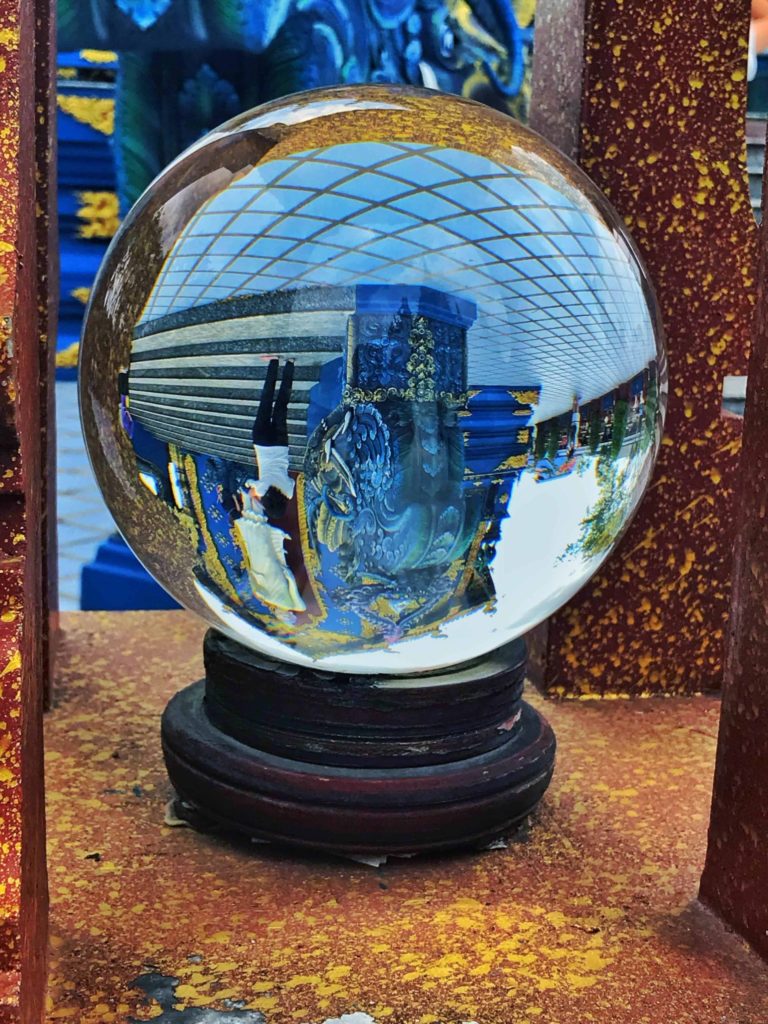
- vivid blue and gold architecture
- ornate statues and guardians
- a peaceful atmosphere despite its popularity
- plenty of photo opportunities
If you enjoy temple design, you’ll appreciate how the Blue Temple balances tradition with creativity — it feels spiritual without being overly formal, and artistic without losing its purpose.
Tips for Visiting the Blue Temple
🕒 Best Time to Visit
Arrive early in the morning (8–10am) or late afternoon for cooler temperatures and fewer crowds.
👗 Dress Code
As with all temples in Thailand:
- cover shoulders and knees
- remove shoes before entering the main hall
- speak quietly
- avoid touching sacred objects
🚗 How to Get There
The temple is around 10 minutes from Chiang Rai city centre.
Options include:
- tuk‑tuk or taxi
- scooter rental
- bicycle (if you’re comfortable with the heat and traffic)
Location
Address: 306 หมู่ที่ 2 Maekok Rd, Rim Kok, Mueang Chiang Rai, Chiang Rai 57100
Admission: Free
Opening Hours: 6am–8pm
📍 Embedded Map
Temple Etiquette
A few simple guidelines help keep the temple respectful for everyone:
- Dress modestly
- Remove shoes before entering buildings
- Keep noise to a minimum
- Don’t hug or kiss inside temple grounds
- Don’t point your feet toward Buddha images
- No smoking
When to Visit
The temple opens at 8am, and arriving early is the best way to enjoy it before the heat and crowds build. Morning light also makes the blue and gold colours pop beautifully in photos.
Final Thoughts
The Blue Temple is one of Chiang Rai’s most memorable landmarks — a blend of modern creativity, traditional symbolism, and bold design. It’s a refreshing contrast to the White Temple and Black House, and together they form a trio that showcases the artistic spirit of northern Thailand.
If you’re exploring Chiang Rai, this is a must‑see stop that offers both beauty and a deeper look into contemporary Thai Buddhist art.
You should also read:
Earith Bulwark: Exploring a 17th-Century Civil War Fort
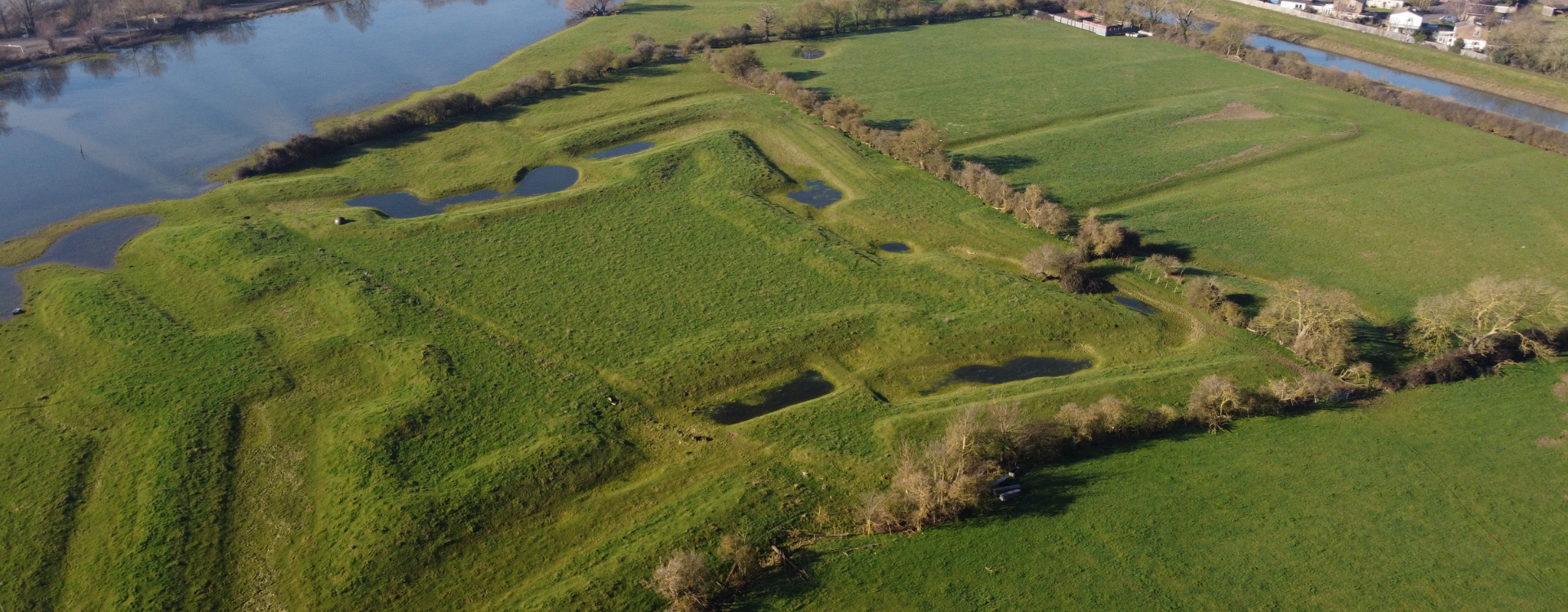
Earith Bulwark: Exploring a 17th-Century Civil War Fort Hidden away in the Cambridgeshire countryside is an impressive reminder of one of the most turbulent periods in English history. Earith Bulwark is the surviving earthwork of a Civil War fortification built during the English Civil War,…
Continue reading...
Comments